

Regulations and Anchor Tools
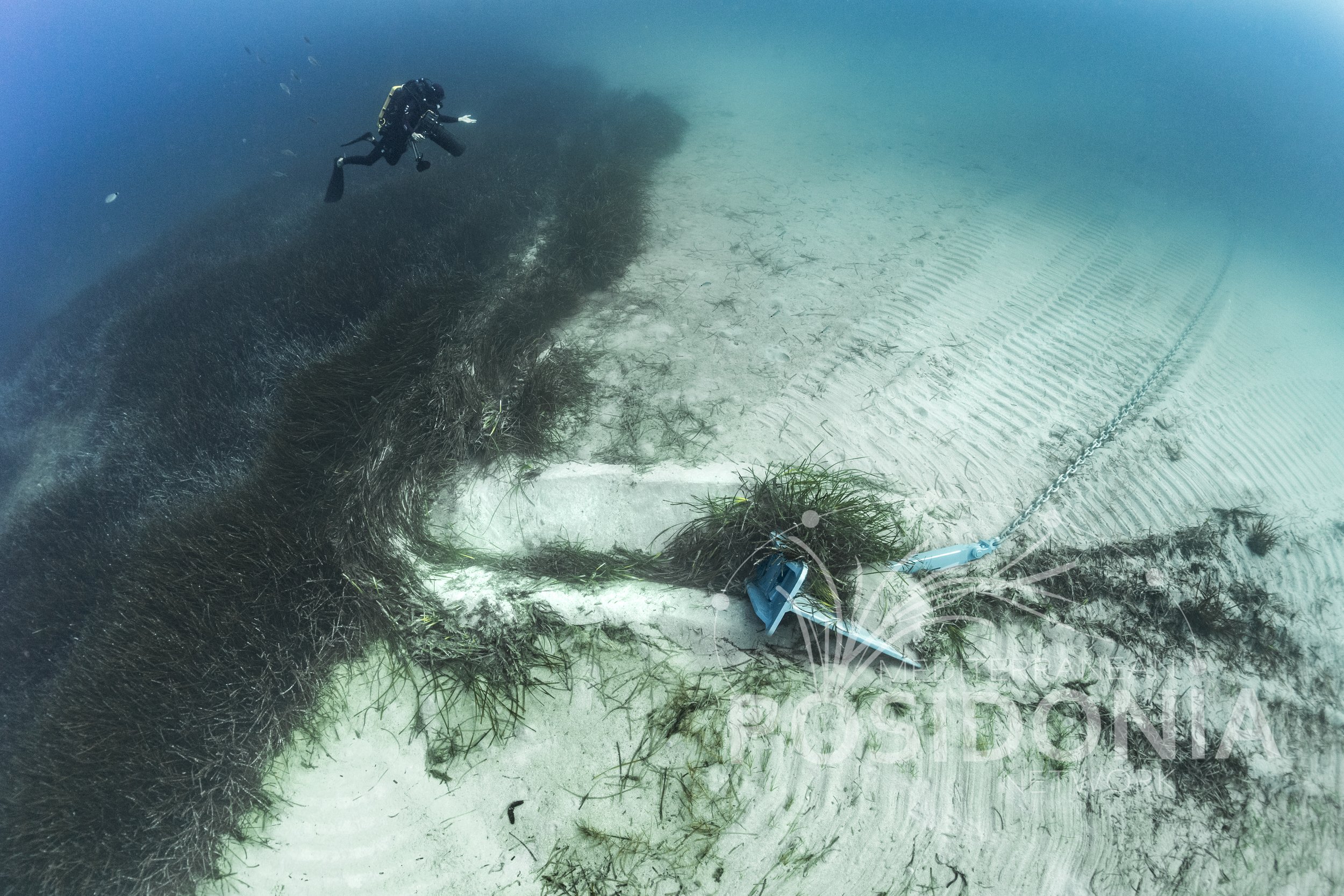
ARGUS AnchorTag is a smart anchoring intelligence system that helps prevent anchor dragging before it occurs. By continuously monitoring anchor behaviour and providing early warning alerts, ARGUS helps protect Posidonia seagrass meadows, sensitive seabed habitats, and marine biodiversity while improving vessel safety. Supporting responsible anchoring through predictive technology, ARGUS contributes to the long-term preservation of Mediterranean marine ecosystems.
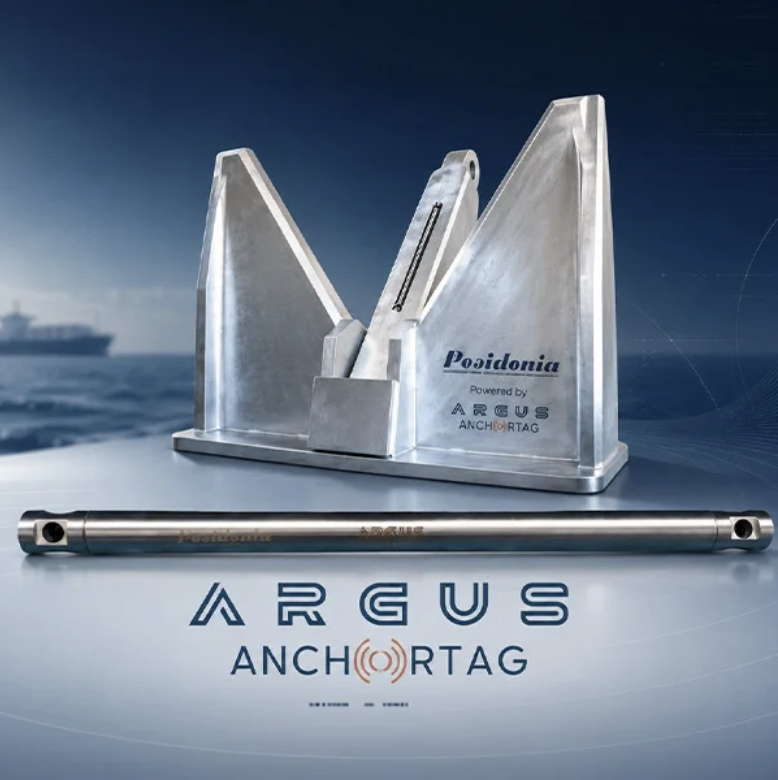
Posidonia and ARGUS AnchorTag: Smart Anchoring Intelligence for HHP and SHHP Anchors
Posidonia and ARGUS AnchorTag: Smart Anchoring Intelligence for HHP and SHHP Anchors
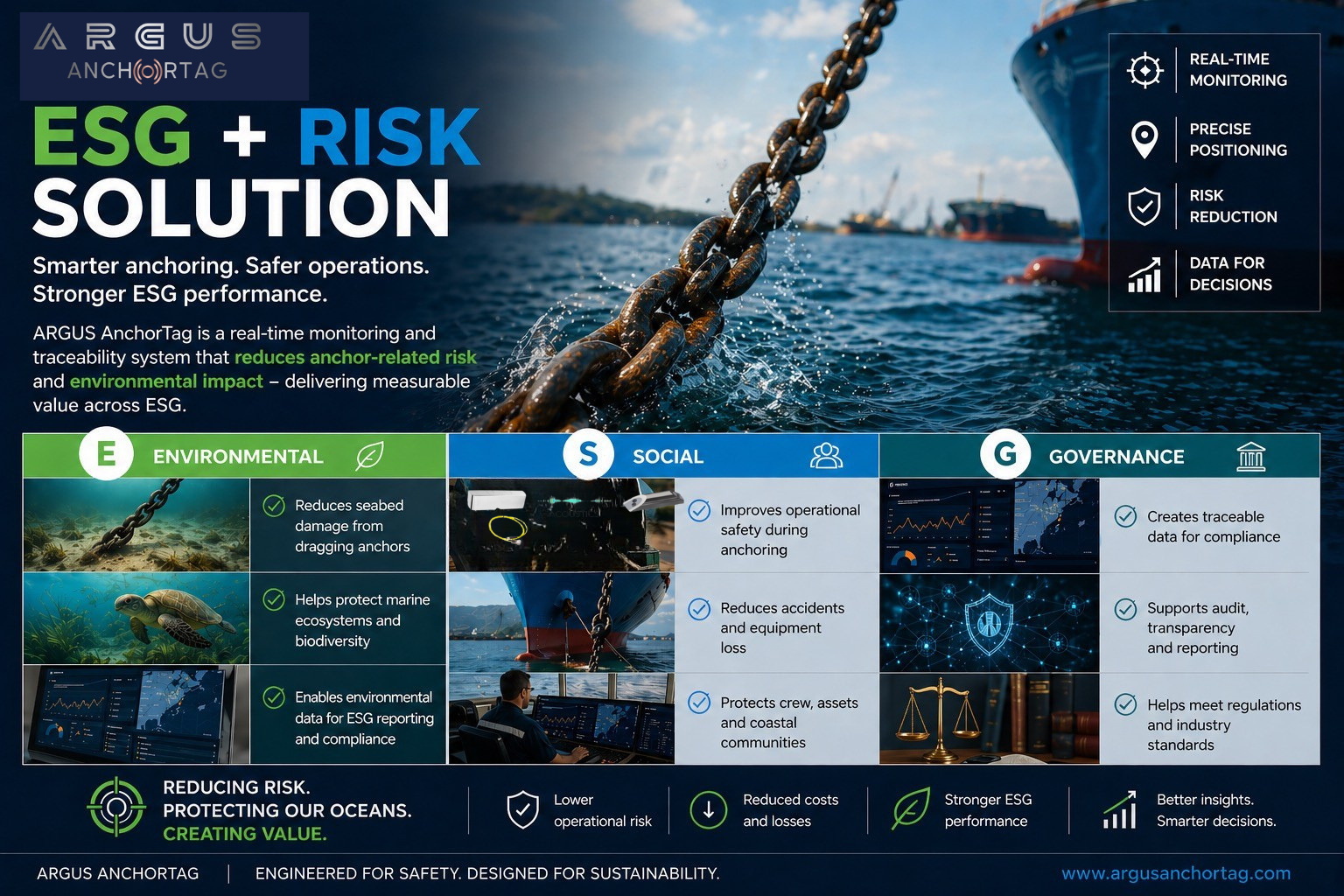
ESG Meets Maritime Reality: How Smart Anchoring is Redefining Risk, Safety, and Sustainability
In today’s maritime industry, ESG is no longer a buzzword — it is becoming a core operational requirement. Regulators, insurers, port authorities, and stakeholders are all demanding greater transparency, reduced environmental impact, and higher safety standards.
Yet one of the most critical operational risks at sea remains largely invisible:
Anchoring.
The Hidden Risk Beneath the Surface
Anchoring is often perceived as routine — a basic seamanship skill. But in reality, it represents one of the least monitored and most underestimated risks in maritime operations.
When an anchor fails to hold or begins dragging, the consequences can escalate quickly:
Vessel drift and collisions
Groundings and costly damage
Environmental destruction, particularly to sensitive seabeds like seagrass meadows
Liability exposure and insurance claims
The problem is simple:
👉 Operators have no real-time visibility into what is happening below the surface.
Until now.
Introducing Data to the Ocean Floor
ARGUS AnchorTag transforms anchoring from a blind process into a data-driven operation.
By providing real-time monitoring of anchor behavior — including position, angle, and movement — it enables crews and operators to:
Detect anchor dragging immediately
Understand how well the anchor is set
Make faster, informed decisions
This shift is fundamental.
We are moving from:
assumption → verification
reaction → prevention
ESG in Practice — Not Theory
ARGUS AnchorTag directly supports all three pillars of ESG:
🌱 Environmental
Anchors dragging across the seabed are a major source of damage to marine ecosystems, especially protected habitats.
With real-time detection:
Seabed damage can be significantly reduced
Sensitive areas can be actively protected
Environmental impact becomes measurable and reportable
👥 Social
Safety at sea is not optional.
By improving anchoring reliability, ARGUS:
Reduces accident risk
Protects crew and passengers
Minimizes damage to coastal communities and infrastructure
Safer operations translate directly into human impact.
🏛️ Governance
Modern maritime operations require traceability and accountability.
ARGUS enables:
Verifiable anchoring data
Audit-ready operational records
Compliance with emerging environmental and safety regulations
This is not just monitoring — it’s defensible operational transparency.
From Risk Reduction to Value Creation
The impact goes beyond safety and compliance.
ARGUS AnchorTag delivers measurable business value:
Lower operational risk
Reduced damage and insurance exposure
Stronger ESG performance metrics
Better decision-making through real-time data
In an industry where margins are tight and risks are high, visibility equals value.
The Future: Connected Maritime Intelligence
ARGUS is not just a device — it is part of a larger shift toward smart, connected maritime systems.
As the industry evolves, anchoring data will integrate with:
Port and marina management systems
Environmental monitoring platforms
Autonomous vessels and surveillance technologies
Satellite and fleet tracking networks
This creates something that has never existed before:
👉 A data layer beneath the surface of the sea
Conclusion
Anchoring is the only point of physical connection between a vessel and the seabed — yet it has remained largely unmonitored.
ARGUS AnchorTag changes that.
By turning anchoring into a measurable, transparent, and controllable process, it delivers:
Safer operations
Protected ecosystems
Stronger ESG performance
Reducing risk. Protecting our oceans. Creating value.
Anchoring as a key marine operation
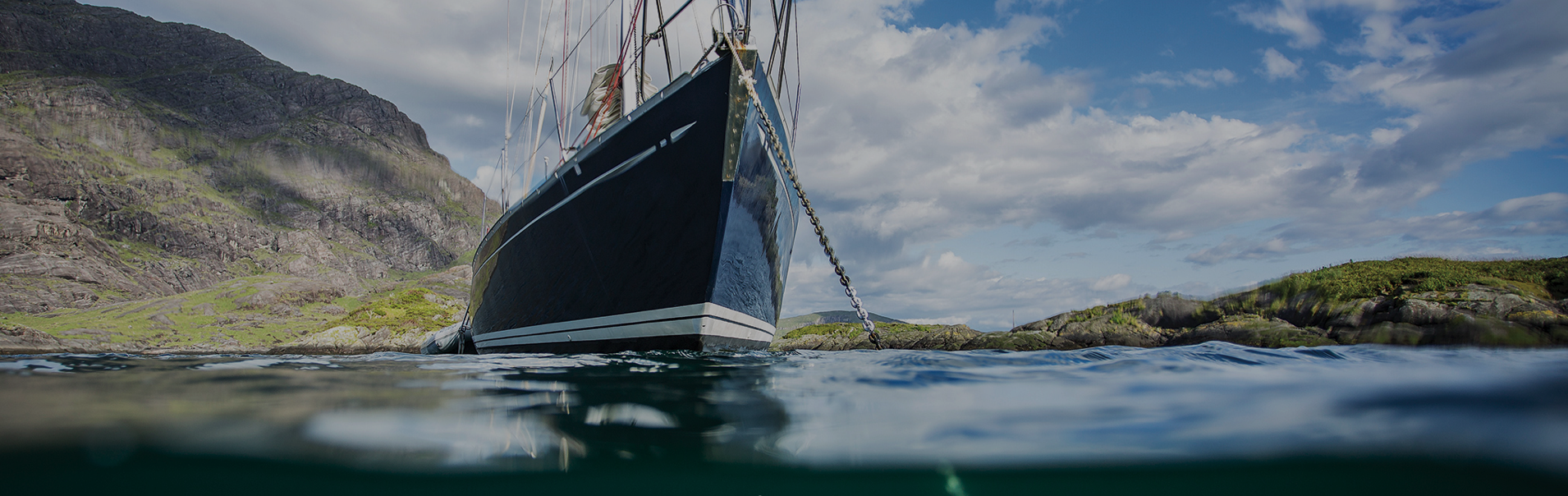
Anchoring also plays a key role in preventing vessels from drifting into dangerous or shallow waters. Shallow areas, reefs, or underwater obstructions pose serious threats to vessels that are not anchored securely. In particular, grounding can cause significant damage to the hull, resulting in costly repairs or even catastrophic accidents. By anchoring in appropriate locations, vessels can avoid the risk of running aground, protecting both the ship and its crew. Furthermore, anchoring serves as an essential preventive measure against collisions, whether with other ships, landmasses, or submerged objects, keeping vessels safely away from potential hazards.
The risk of inadequate actions or improper monitoring during anchorage is extremely high, and historical data can validate this theory. According to P&I club statistics, approximately 10% of navigational claims are related to anchoring incidents.
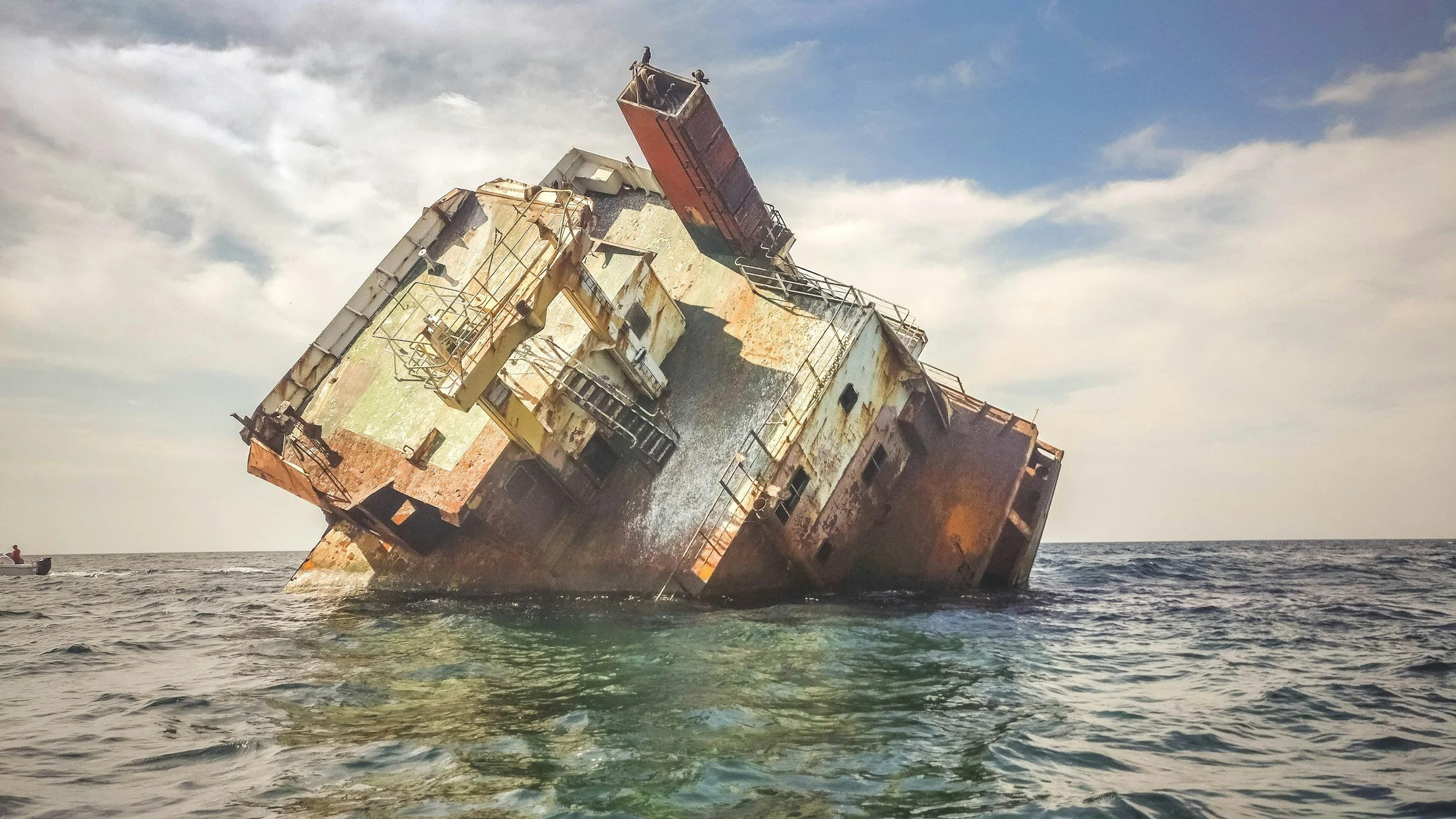
When Anchors Fail: A Real-Life Case of Dragging Anchor and Chain-Reaction Collisions
When Anchors Fail: A Real-Life Case of Dragging Anchor and Chain-Reaction Collisions
February 2024 brought to light another sobering reminder of how critical anchoring practices are to maritime safety. In a recent case study shared by the Britannia P&I Club, a seemingly routine bunkering stop turned into a multi-ship incident involving structural damage, communication lapses, and avoidable risk—all due to one critical failure: a dragging anchor.

ANCHORING with lines ashore
What you need to know about Mediterranean-Style Anchoring
Get expert advice on anchoring in wild waters. Discover techniques for secure mooring in narrow bays, amidst powerful currents, and through challenging swells.

A R G U S AnchorTag - environment and the maritime world
How does AnchorTag help protect the environment and the maritime world?
AnchorTag enhances anchoring safety by providing real-time monitoring, helping to prevent anchor dragging—a major cause of seabed destruction. When an anchor drags, it can rip up fragile marine ecosystems, including coral reefs and seagrass beds, which take years to regenerate.
By alerting captains and crews before movement occurs, AnchorTag minimizes anchor-related damage, promoting responsible anchoring practices. This helps preserve marine habitats, protect biodiversity, and contribute to a more sustainable maritime world. 🌊⚓